The Ultimate Backyard Debate: Saltwater vs. Traditional Chlorine Pools
The Inland Northwest Homeowner’s Guide to Choosing the Perfect Pool
There is nothing quite like the feeling of a hot, dry Inland Northwest summer afternoon. When the sun is beating down across the Spokane Valley, or the summer breeze ripples over Lake Coeur d’Alene, having a personal oasis right in your backyard changes everything. If you are preparing to transform your outdoor living space with a gorgeous new inground swimming pool, you are likely facing one of the biggest and most highly debated questions in modern pool ownership: Should I go with a saltwater system or stick with a traditional chlorine setup?
Choosing the right sanitization system is a foundational step when designing backyard swimming pools. The choice influences not only your upfront construction budget but also your weekly maintenance routines, your long-term operating costs, and the literal feel of the water on your skin. To make things more interesting, our distinct four-season climate in Eastern Washington and Northern Idaho introduces unique factors, like sub-zero winterization and short, intense swimming seasons, that directly affect this choice.
Whether you’re imagining a sleek custom concrete design or researching the durability and longevity of the vinyl swimming pools Spokane homeowners rave about, this comprehensive guide will break down the similarities, differences, pros and cons of saltwater versus traditional chlorine. Let’s dive in!
The Big Misconception: Clearing Up the Chemistry
Before we contrast these two options, we must clear up the single biggest myth in the pool industry: Saltwater pools are not chlorine-free pools. Many people assume that a saltwater in-ground pool behaves like the Pacific Ocean: crashing waves, salty tastes, and completely free of chemicals. In reality, a saltwater pool is simply a chlorine pool that manufactures its own sanitizer. Instead of buying jugs of liquid chlorine or buckets of chemical pucks and dumping them manually into your skimmer and add pure pool salt directly to the water.
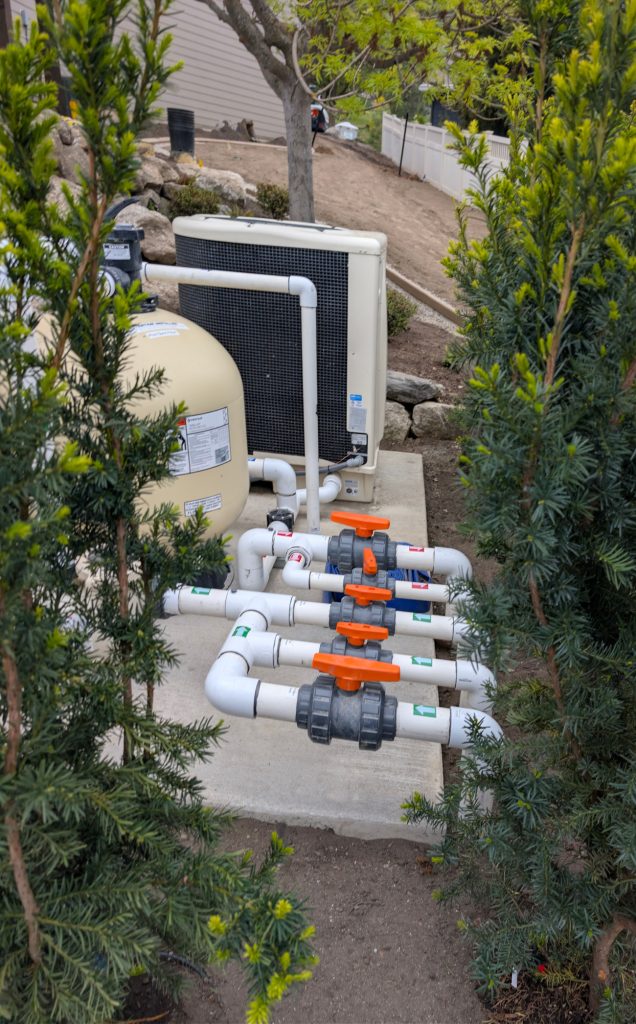
This salt water then passes through an electronic part called a Salt Chlorine Generator (or electrolytic cell). Through a process called electrolysis, the dissolved salt is broken down into pure gaseous chlorine, which seamlessly sanitizes your pool before converting it back into salt to repeat the cycle. Consequently, both options rely on chlorine to keep your family safe from bacteria and algae; they just deliver that chlorine in fundamentally different ways.
Unlike pool owners in Arizona or Florida who run their filtration systems year-round, families investing in swimming pools in Spokane and Idaho experience a highly defined swimming window that typically stretches from Memorial Day to Labor Day. This means your pool equipment sits dormant through freezing winter snows and must be engineered for easy, reliable winterization and spring opening. This seasonal shift plays a major role in how each system performs over time.

Contrasting the Swim Experience and Operational Styles
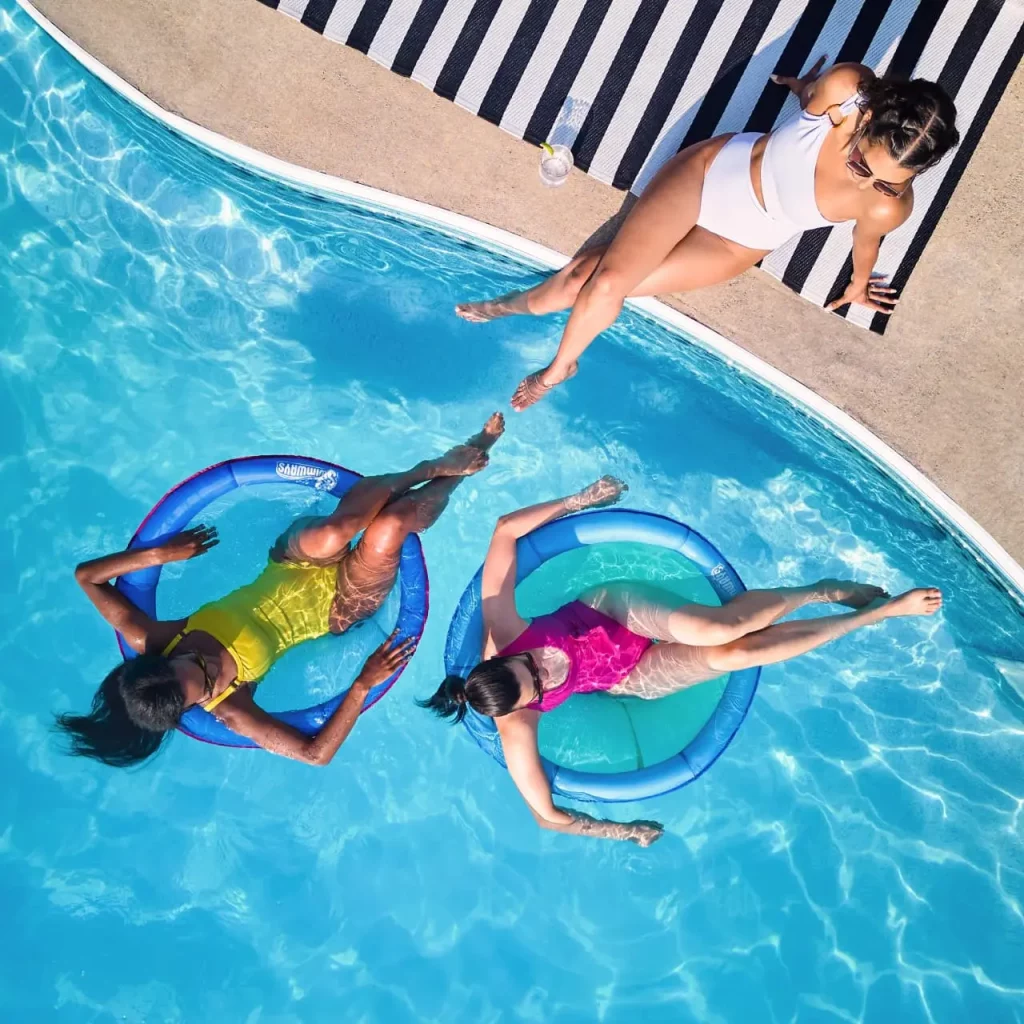
When it comes to daily life with your pool, the differences between these two systems show up most clearly in water comfort and chemical handling. A saltwater system is widely celebrated for offering an unmatched level of swimming comfort. Because the salinity level is low (roughly matching the salinity of tears) the water feels incredibly soft and silky against your skin. This eliminates the standard chemical irritation, red eyes, and dry skin often associated with swimming, making it a dream for children, elderly swimmers, or anyone with sensitive skin. Furthermore, because chlorine is generated constantly at low levels, you rarely have to handle harsh sanitizing chemicals. Your primary task is simply buying and pouring bags of standard, affordable pool salt.
Traditional chlorine systems offer a much more familiar, time-tested approach, but they require a more hands-on lifestyle. Traditional chemical feeders are inexpensive and highly mechanical with very few technical parts to break, which keeps your upfront pool equipment costs low. However, this system relies on you manually buying, transporting, and string concentrated chlorine tablets or liquid shock safely away from children and pets. Because chlorine levels fluctuate depending on when you manually add chemicals, traditional pools can occasionally feel ab it harsher on the eyes and skin. When traditional chlorine binds with sweat and body oils, it creates compounds called chloramines, which are the real culprit behind that distinct, heavy “pool smell” and itchy skin.
Despite these differences in daily operation, it is important to remember that these systems share a deep foundational bond. Both require a consistent commitment to structural maintenance, automated filtration schedules, and carful water balancing. No matter which routes you choose for your vinyl pool or concrete build, you must regularly check your pH, total alkalinity, and calcium hardness to protect your investment. Furthermore, because of our local climate, both types of pools require a solid winter safety cover and a rigorous winterization process to protect your plumbing and equipment from deep Inland Northwest freezes.

Weighing the Investments: Upfront Capital vs. Long-Term Costs
Choosing between these two systems often comes down to how you prefer to balance your household budget. A saltwater pool is a higher initial investment because the salt generator and its specialized electronic control panels add substantial cost to your initial pool construction quote. There is also a long-term maintenance cost to consider, as the electronic salt cell naturally degrades over time and will require replacement every three to seven years. However, supporters of salt systems enjoy exceptionally low daily operational costs because raw pool salt is incredibly inexpensive compared to commercial chlorine.
On the other side, traditional chlorine systems are incredibly budget-friendly to set up, making them perfect for homeowners who want to maximize their initial budget on premium backyard features like custom hardscaping, water slides, or outdoor kitchens. Without salt dissolved in the water, your pumps, heaters, and metal ladders face significantly less wear, oxidation, and structural corrosion over the decades. Traditional chlorine also works flawlessly at any temperature, meaning it sanitizes efficiently from the chilly day you open the pool in spring until you close it down in autumn. The financial trade-off here is that the market price of packaged chlorine pucks and shock has escalated dramatically in recent years, meaning you will pay more month-to-month to keep a traditional pool clear.

Material Considerations: Finding the Perfect Match
When working with professional Inland Northwest pool builders, you will quickly learn that the construction material you select pairs uniquely with your choice of sanitization. If you are looking at the beautiful vinyl swimming pools that Spokane builders install, saltwater is a fantastic, highly compatible option. Saltwater is non-porous and exceptionally gentle on heavy-duty vinyl liners. Unlike traditional chlorine tablets, (which can occasionally drop to the floor, pool together, and bleach or embrittle the vinyl over time) a salt system introduces evenly distributed, low-level chlorine that preserves the elasticity and vibrant colors of your liner. Choosing a vinyl pool with a saltwater generator often results in an incredibly low-maintenance, long-lasting backyard combination that handles our seasonal shifts beautifully.
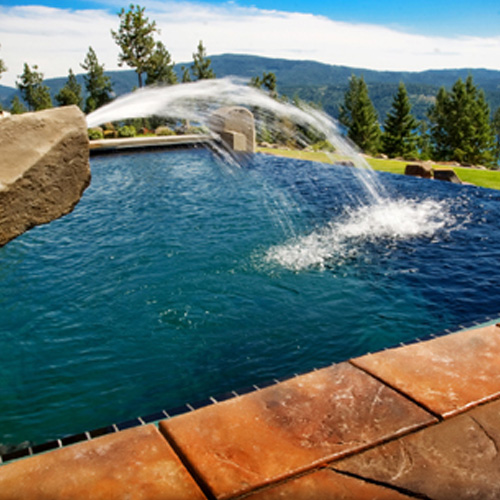
Concrete and Gunite pools offer absolute design freedom but require a bit more vigilance when paired with a saltwater system. Because the salt water can be slightly corrosive to porous surfaces, plaster or aggregate finishes must be monitored closely to ensure the water chemistry does not pull calcium out of the pool walls. Additionally, homeowners building a concrete pool with salt should opt for non-porous coping stones, like sealed travertine or stamped concrete, rather than soft natural flagstone to prevent salt scaling and weathering over the years.
The Verdict: Selecting Your Dream System
Ultimately, there is no single right or wrong choice when deciding between these two popular systems. The right option is simply the one that aligns with your family’s unique priorities, lifestyle, and aesthetic goals.
A saltwater pool is ideal for busy families who prioritize swimming comfort, smooth water, and reduced daily maintenance chores. If you have children with sensitive skin, or if your family travels frequently over the summer and cannot commit to checking chemical levels every few days, investing upfront in a salt system ensures your pool remains crystal clear and ready for action without constant supervision.
On the other hand, a traditional chlorine pool remains an excellent match for budget-conscious buyers who want to redirect their initial capital toward maximizing the size of their pool or upgrading their outdoor living space. It is also well-suited for hands-on homeowners who don’t mind the ritual of weekend pool chemistry testing and appreciate a straightforward mechanical setup that handles the harsh Inland Northwest winter transitions with absolute simplicity.
Whether you are ready to design a stunning vinyl swimming pool in Spokane, or looking to install a luxurious, custom inground swimming pool in Coeur d’Alene, our local design team is here to help. Contact us today to schedule your backyard consultation, explore your options, and turn your summer dreams into reality!!